
This product is available for local installation in your IT environment or your chosen PaaS solution.
Take control of your<br/>sensitive information
Get control of what happens on your file servers
Get detailed analysis of file storage and access attempts, which helps improve security and information management in your Windows file server environment so you can also meet compliance requirements easily and cost-effectively.
Find, analyze and track sensitive personal data
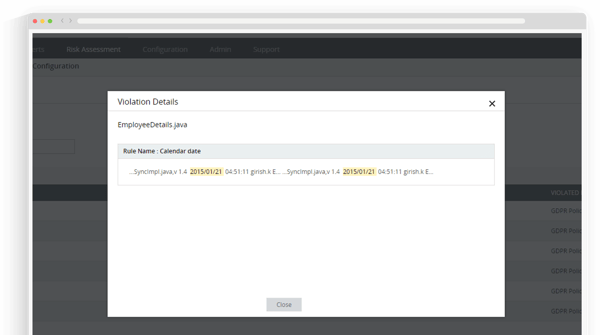
If you don't know where or how much personal data is stored on your file servers and OneDrive environments, or who accesses or modifies the information, you risk it being stolen or lost. A data discovery tool finds, analyzes and tracks data and protects personally identifiable information (PII), while generating reports to streamline regulatory compliance, for example with GDPR.
Protect sensitive information with Data leak prevention
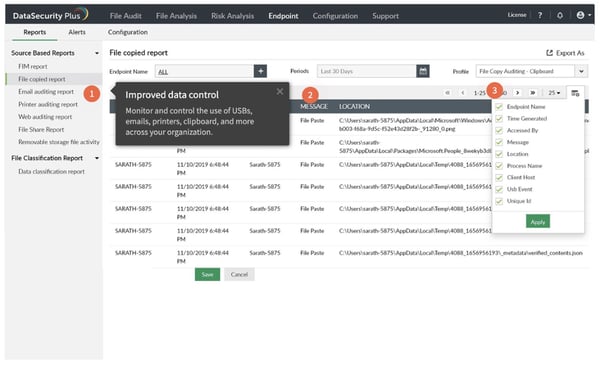
Detect, disrupt and prevent sensitive data leaks via endpoints such as USB, email, printing, etc. through real-time security monitoring.
A few selected functions
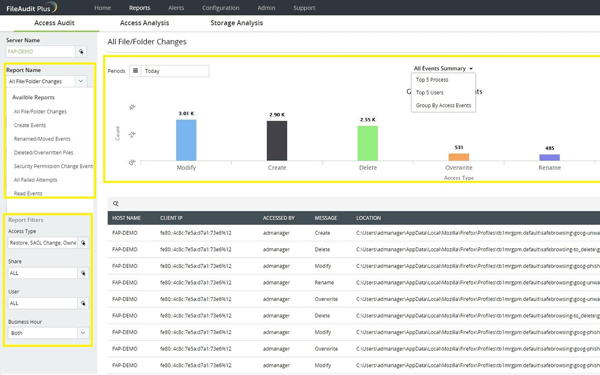
Analyze file and folder access
Get detailed information on who accessed what, when and from where, as well as overall analysis reports of access and changes.
Analyze files and disk space
Find files that are old, large, hidden or irrelevant to the organization. Get a visual overview of disk space and trends so you can optimize it.
Respond to security breaches
Detect security breaches through alerts. Define thresholds for access spikes, such as during malware attacks.
Review access permissions
Examine share and security settings for files and folders.
Achieve compliance
Achieve regulatory compliance through consistent auditing and reporting of the file servers.
Visit our GDPR page
Minimize response times
Be proactive – monitor and get alerts on critical events and changes.
Download and try for 30 days
Download a fully functional version of the product and try it for 30 days. Support is included during the evaluation period.
Fill in your details to get started.
Identify personal data
In this video we show how you can quickly and easily identify personal data in your organization's files with DataSecurity Plus and get alerts when violations happen. It is one part of meeting the GDPR requirements.
Explore Data Security Plus
